
Sedation Dentistry in Arlington, VA: What to Expect if You Have Severe Dental Anxiety About Major Restorative Work
Sedation Dentistry in Arlington, VA: What to Expect if You Have Severe Dental Anxiety About Major Restorative Work
Severe dental anxiety can make even a routine appointment feel overwhelming. When you need major restorative work, such as dental implants, crowns, bridges, extractions, or full mouth restoration, that fear can become a serious barrier to treatment. Sedation dentistry in Arlington, VA, is designed to help you remain calmer and more comfortable while receiving the care needed to restore your smile.
Your First Step Is a Detailed Consultation
Before scheduling treatment, your dentist will review your dental needs, anxiety level, medical history, current medications, and previous experiences with dental care. This conversation helps determine which form of sedation is appropriate and whether any additional precautions are necessary.
Be honest about what triggers your anxiety. Some patients fear needles, sounds, discomfort, loss of control, or lengthy appointments. Sharing these concerns allows the dental team to create a more supportive treatment plan.
Choosing the Right Sedation Option
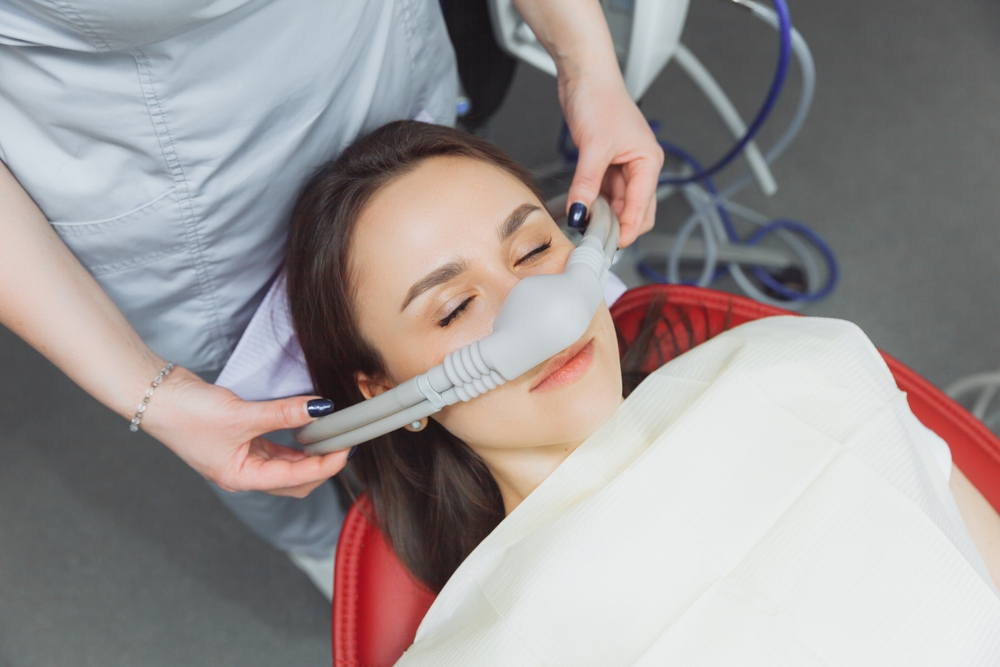
Sedation dentistry does not always mean being fully unconscious. Depending on the procedure and your level of anxiety, the dentist may recommend nitrous oxide, oral sedation, or another monitored sedation option. Local anesthesia is still used when necessary to control discomfort in the treatment area.
Common benefits of sedation for major restorative dentistry include:
- Reduced fear and tension before and during treatment
- Greater comfort during longer or more complex procedures
- Less awareness of dental sights, sounds, and sensations
- Improved control of a sensitive gag reflex
- The ability to complete more dental work in fewer visits
Your dentist will explain how deeply relaxed you are expected to feel and whether you will need someone to drive you home.
Preparing for Your Restorative Appointment
Preparation instructions depend on the type of sedation being used. You may need to avoid food and drinks for a specific period, temporarily adjust certain medications, and arrange transportation. Follow every instruction carefully, since these steps support a safe and predictable appointment.
Wear comfortable clothing and avoid making important plans for later that day. For oral or deeper sedation, you may feel drowsy after treatment and need time to rest. Patients should not drive, operate equipment, drink alcohol, or make major decisions until the effects have fully worn off and the dentist’s restrictions have ended.
What Happens During Treatment
Once you arrive, the team will review your health information and confirm the treatment plan. Sedation is then provided according to the agreed approach. Your blood pressure, breathing, and other vital signs may be monitored throughout the procedure.
Most patients remain responsive but feel deeply relaxed. Some remember very little afterward. The dentist can then perform the planned restorative work while the team continues to monitor your comfort and safety.
Planning for Recovery and Follow-Up
After treatment, you will receive instructions for managing temporary tenderness, swelling, diet changes, medications, and oral hygiene. A trusted adult may need to remain with you for several hours, depending on the sedation used.
Sedation can make extensive dental treatment feel more manageable, but it does not replace careful planning or follow-up care. Attending recommended appointments helps protect your restoration and supports long-term oral health.
Take the first step toward comfortable, stress-free dental care with Courthouse Art of Dentistry in Arlington, VA and call 571-556-8429 to schedule your appointment today.