
Gum Disease: Early Warning Signs You Shouldn’t Ignore
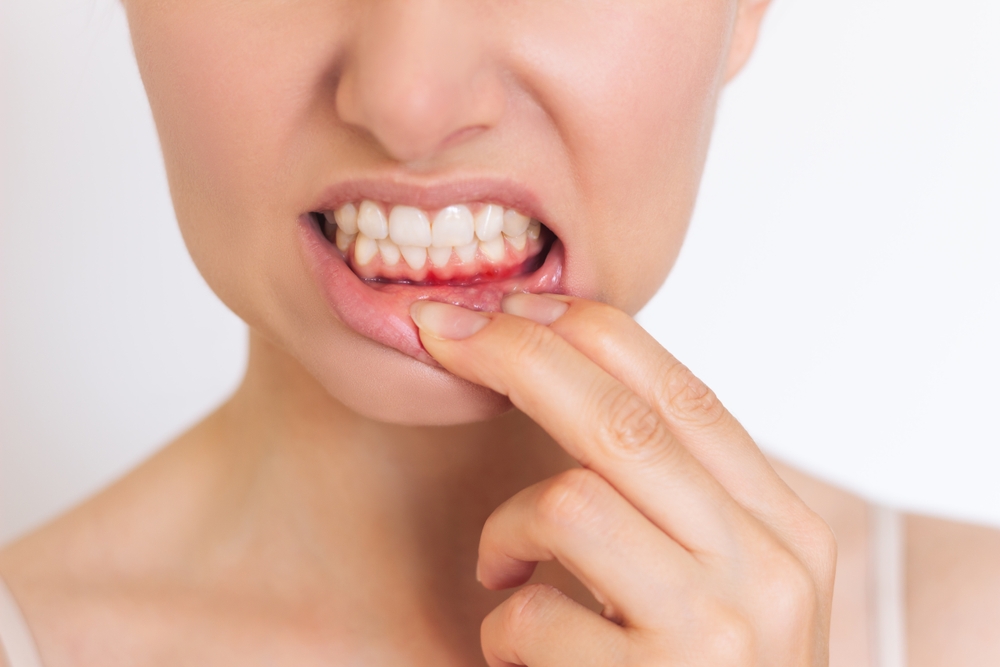
Gum disease is one of the most common oral health conditions, yet it often goes unnoticed in its early stages. Many people assume bleeding gums or mild irritation are normal, especially when brushing or flossing, but these can be early indicators of a more serious problem. Understanding the early warning signs of gum disease is key to protecting your smile and preventing long-term complications.
What Is Gum Disease?
Gum disease, also known as periodontal disease, is an infection of the tissues that support your teeth. It typically begins as gingivitis, a mild and reversible form of gum inflammation caused by plaque buildup along the gumline. If not treated, gingivitis can advance to periodontitis, a more severe condition that damages bone and connective tissue. Early detection makes a significant difference in both treatment options and outcomes.
Bleeding Gums During Brushing or Flossing
One of the earliest and most common signs of gum disease is bleeding gums. While it’s easy to dismiss a little blood as brushing too hard or flossing too aggressively, healthy gums should not bleed during normal oral hygiene routines.
Bleeding is often a sign that plaque and bacteria have irritated the gums, causing inflammation. When addressed early, professional cleanings and improved home care can often reverse the condition.
Red, Swollen, or Tender Gums
Healthy gums are firm and light pink. If your gums appear red, swollen, puffy, or feel tender to the touch, this may indicate inflammation caused by bacterial buildup.
Swollen gums can make brushing uncomfortable, leading some people to avoid cleaning certain areas, which unfortunately allows more plaque to accumulate and worsens the problem.
Persistent Bad Breath or a Bad Taste
Chronic bad breath that doesn’t improve with brushing, flossing, or mouthwash can be a sign of gum disease. Bacteria trapped beneath the gumline release toxins that create unpleasant odors and tastes. If you notice persistent halitosis or a bad taste in your mouth that keeps returning, it may be time to have your gums evaluated.
Gum Recession or Teeth Appearing Longer
Receding gums occur when gum tissue pulls away from the teeth, exposing more of the tooth surface or root. This can make teeth look longer and increase sensitivity to hot or cold temperatures.
Sensitivity to Hot or Cold Foods and Drinks
Increased tooth sensitivity can be linked to gum disease, especially when gums begin to recede. As the roots of the teeth become exposed, they are more vulnerable to temperature changes and irritation. Sensitivity may also signal underlying bone loss or infection, making it important not to ignore this symptom.
Changes in How Your Teeth Fit Together
As gum disease advances, it can weaken the structures that support your teeth. You may notice that your bite feels different, teeth shift slightly, or dentures no longer fit as comfortably as they once did. These changes often indicate more advanced periodontal issues and should be addressed promptly to prevent tooth loss.
Pus or Infection Around the Gums
The presence of pus between the teeth and gums is a clear sign of infection and advanced gum disease. This may be accompanied by pain, swelling, or a foul taste. At this stage, professional periodontal treatment is essential to control the infection and protect your oral health.
How Gum Disease Is Treated
Treatment depends on the severity of the condition. Early-stage gum disease may be managed with professional cleanings, improved oral hygiene habits, and regular monitoring. More advanced cases may require deep cleanings, scaling and root planing, or other periodontal therapies. Your dentist can create a personalized treatment plan to restore gum health and prevent future progression.
Schedule Your Dental Exam Today
Gum disease often starts quietly, but the warning signs are there if you know what to look for. Bleeding gums, persistent bad breath, swelling, recession, and sensitivity are not symptoms to ignore. Early intervention can protect your smile, improve your comfort, and support your overall health.
If you’ve noticed any signs of gum disease, contact Courthouse Art of Dentistry to schedule a dental exam and take a proactive step toward better oral health. Visit our office in Arlington, Virginia, or call (571) 556-8429 today.